Jhookar Jo Daro, Larkana
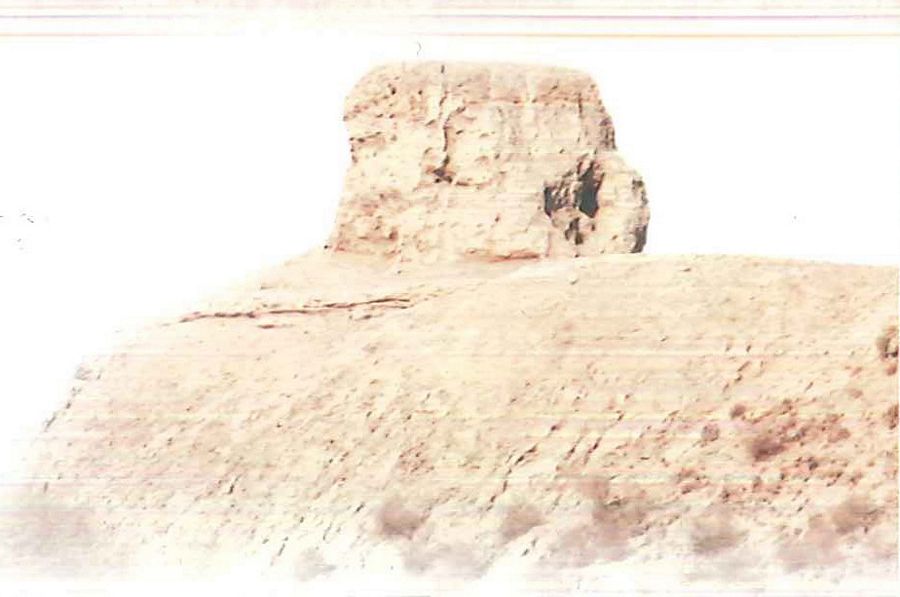
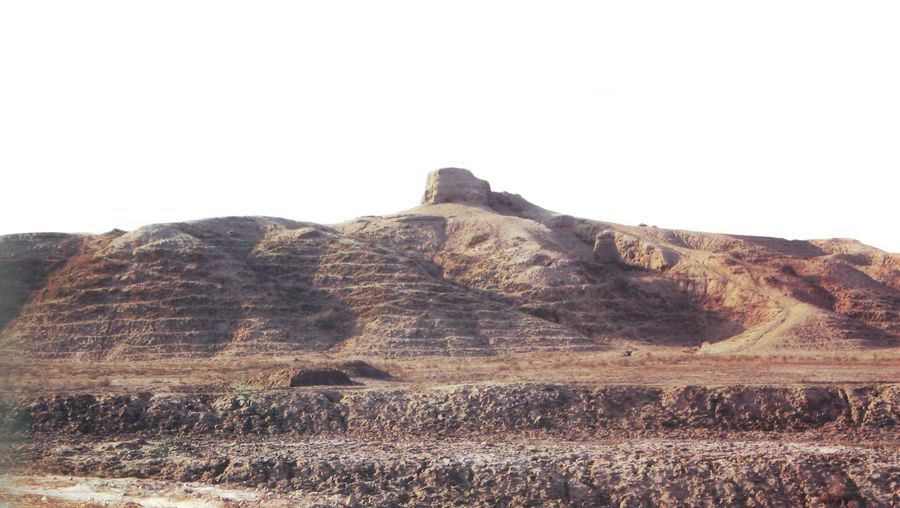
Jhookar jo Daro is located nine kilometers away from Larkana city on right shoulder of Indus high way that has been considered last culture of stone age in Indus valley civilization. In 1918 Mr. Rakal das Bannerji first time visited here and reported that "these ruins can be sign of imperative municipality of any marvelous civilization, therefore these must have been taken into state custody for further investigation". The archaeology survey of India on 2nd January 1928 sent their assistant superintendent N.J Muj'mdar who continued the excavation till 1935.
Muj'mdar divided the site into two parts "A" mound and "B" mound. "A" mound is large like railway compartment and is 17 feet high in which three diverse phases of populations has been founded. First period among those represented the era of the Sassanid, the Hun, the Brahman and the Budha. Second chapter represented Chalco-lithic era while third phase seems to represent the era of Mohenjo Daro. 300 feet away in south of "A" mound is located 63 feet high "B" mound which is square in shape. Archaeologists has the idea that it must be a citadel area or residential vicinity of privileged class of the city.
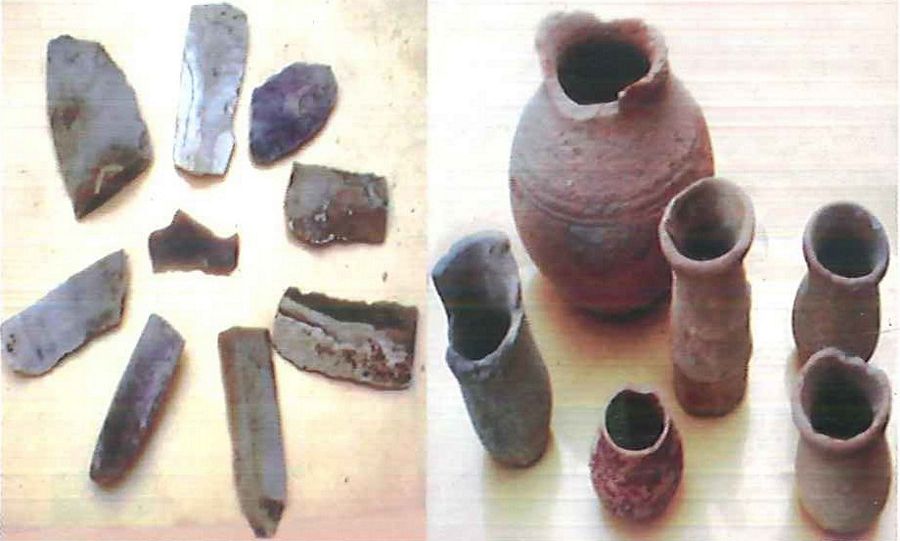
The important artifacts founded from here are diverse type of striking beads, daggers, coins, aero, stamps, pottery, chert blades, children toys, fire stones etc. From inscriptions revealed that the residents of Jhookar jo daro must have been believers of Shiva god. Few coins founded from here represented the administration of King Wasu Deva of Kushan Dynasty who were Chinese by nation and migrated in 170 B.C to Sindh and ruled here for two hundred years.
[Source: Larkano: The Pictorial Profile by Asif Morio | Coordinates: Latif Sohoo]
Open in Google Map: 27.5596237,68.1268715
Images Gallery
Copyright © 2019 · All Rights Reserved · Endowment Fund Trust