Radhan Mashaikh Graveyard, Khairpur
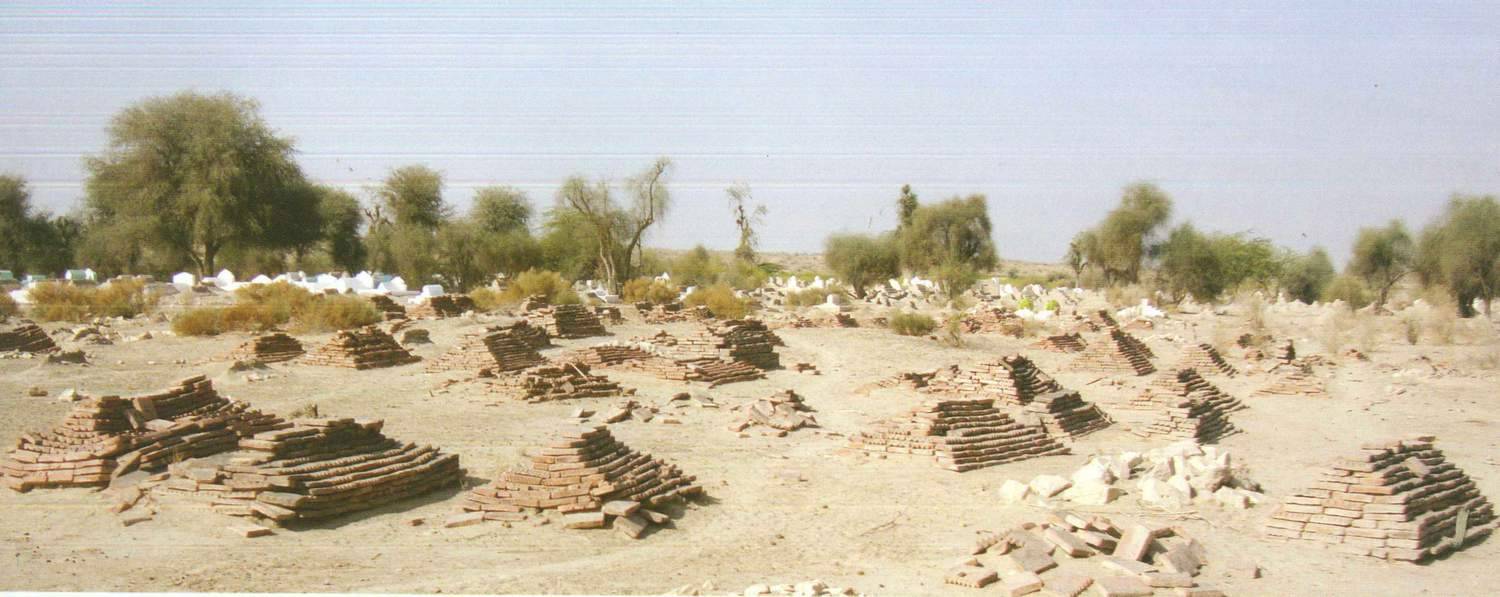
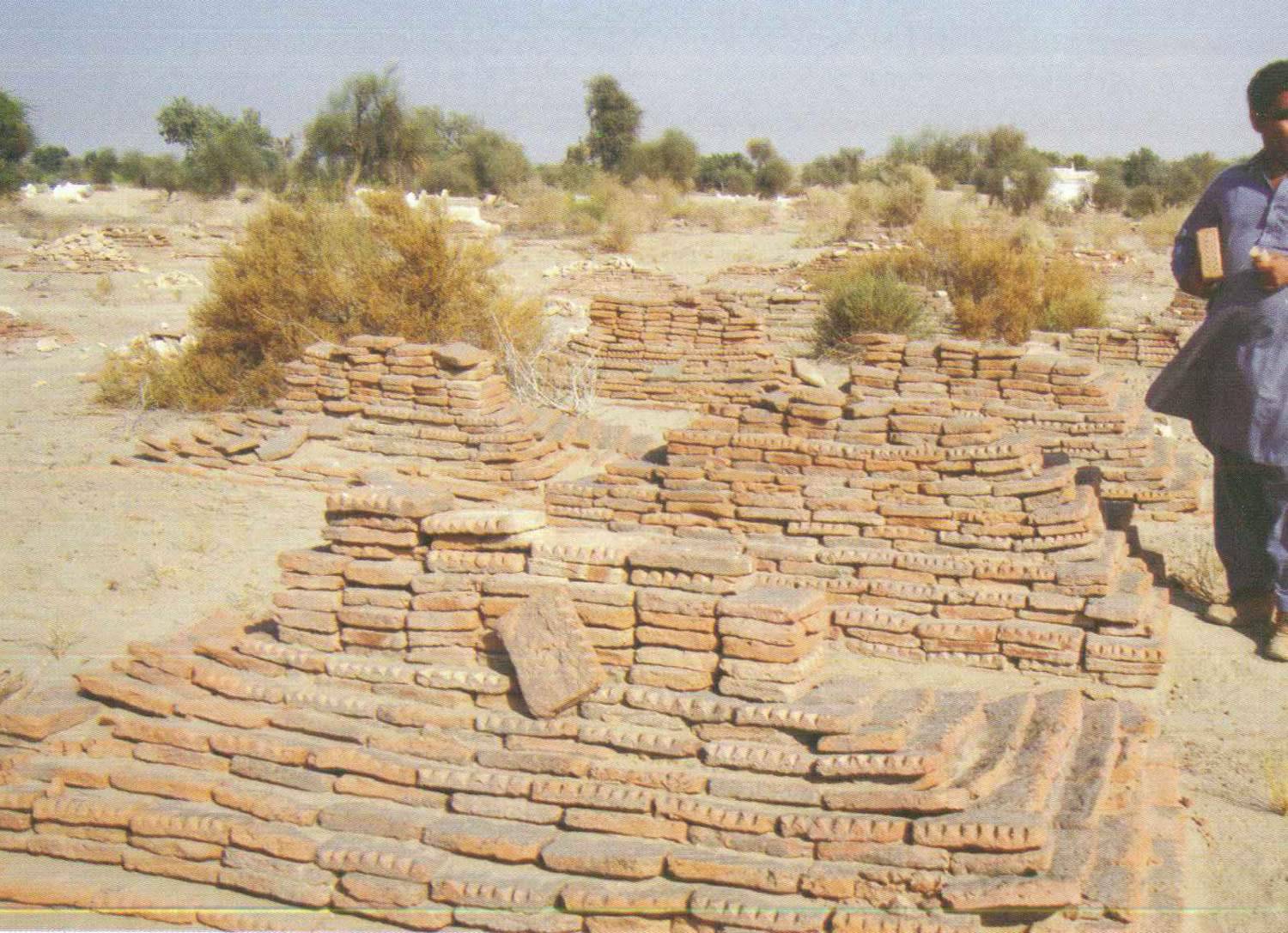
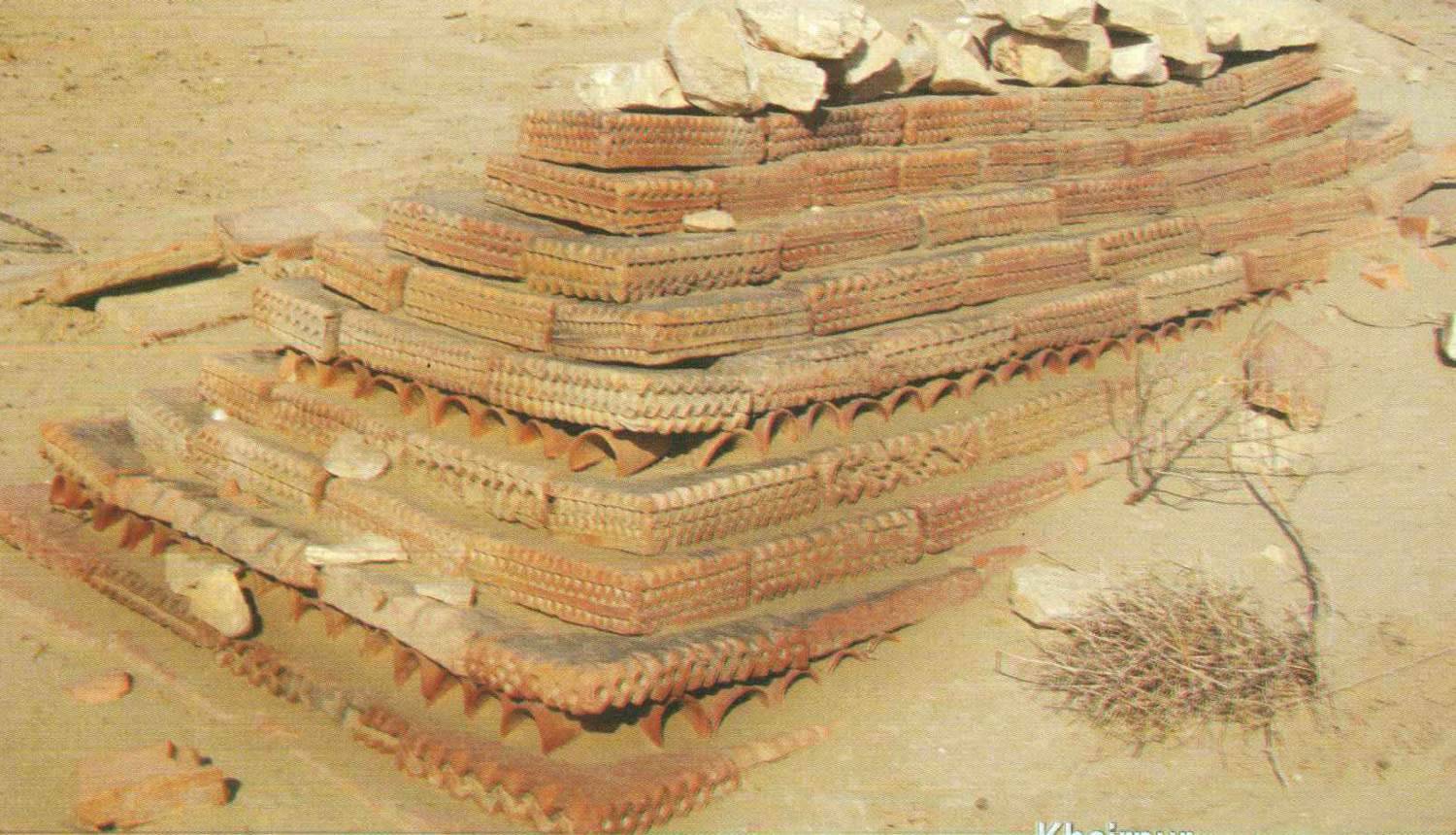
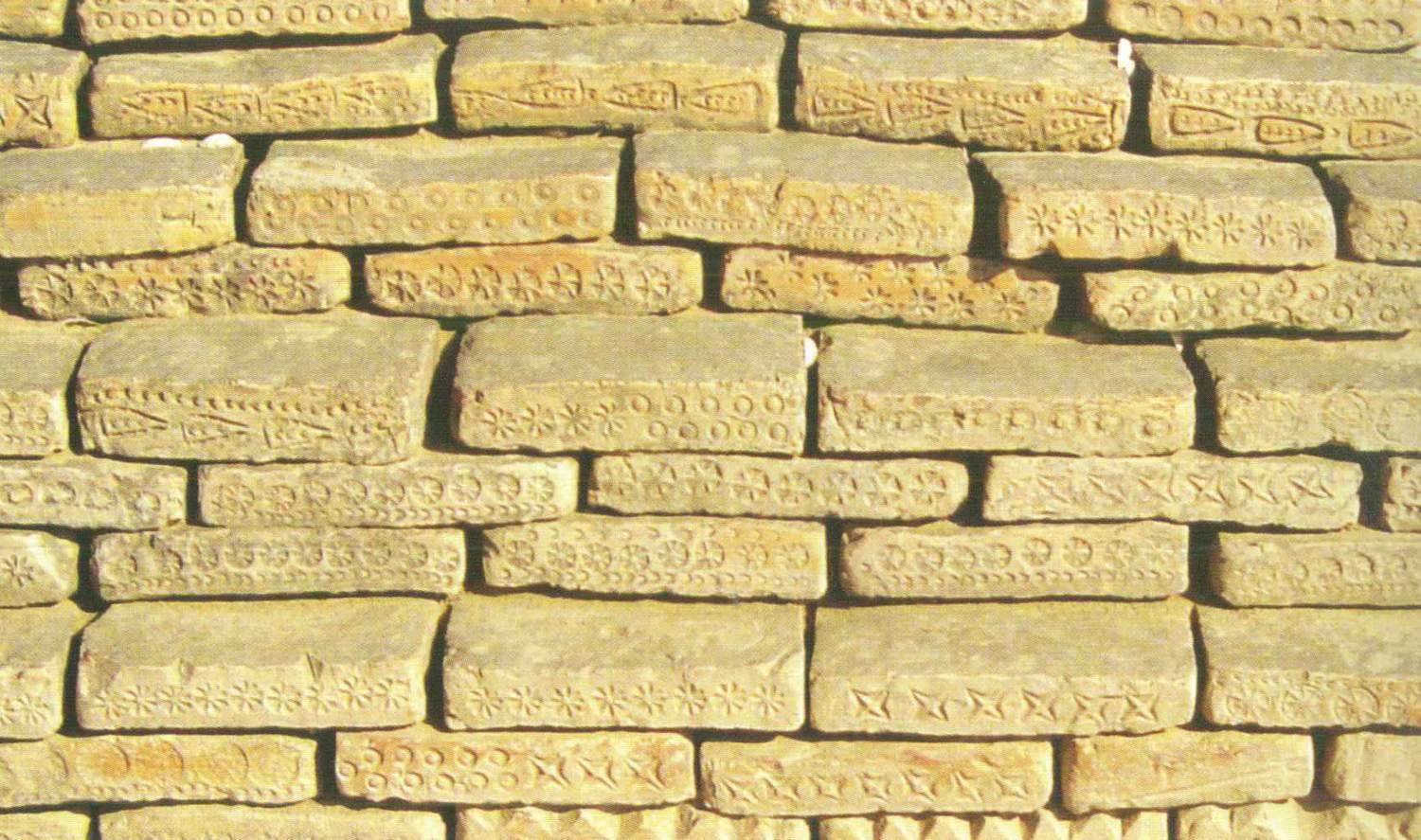
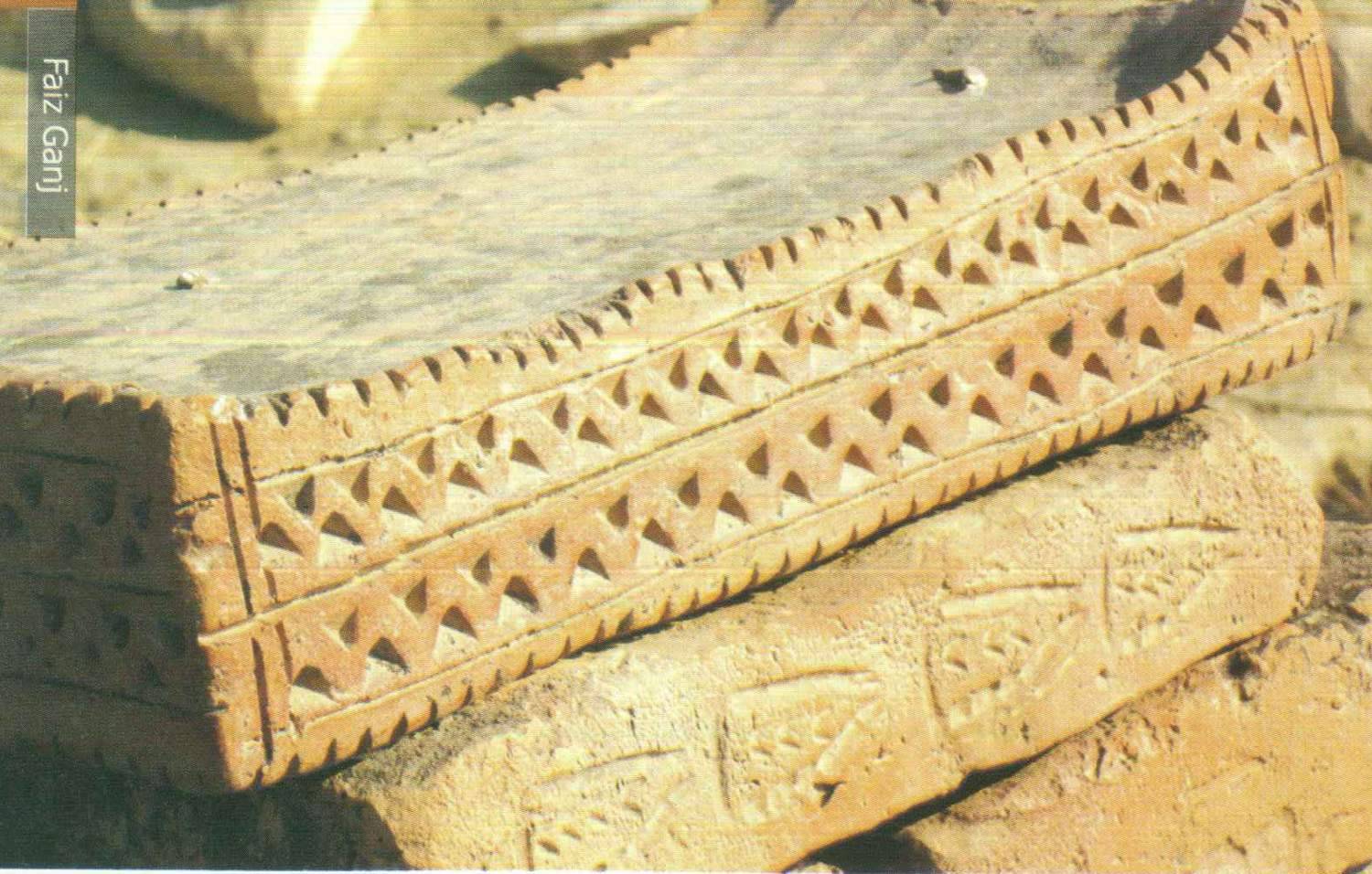
Radhan Mashaikh near Akra Pull, about 40 kms off in the east from Kot Laloo is an ancient necropolis of 6th century. It is situated and surrounded by sand dunes. A cluster of ancient graves, made up of baked bricks with beautiful patterns of different kinds refined cut works. Surprisingly, the well designed bricks used in different graves very in shape, size and shape altogether. The multipatterned bricks used in this graveyard carry unique significance, because after a brief analysis ine may easily come to a conclution that the bricks have been developed on different occasions, for different purposes but by a group of same kiln workers. The shape, size and the number of pattern embossed on the bricks, very from brick to brick and grave, which provides an ample evidence to claim that the beautification process on the bricks was possibly carried out during the course of its framing not after baking. And that the cut work on the bricks was performed individually instead of developing or using a common frame.
The area over which this ancient Muslim cemetery is located, spreads over several acres and the whole graveyard is littered with shreds of earthen pottery of ancient times. Local residents believe that this is one of the portions of the graveyard or the ancient town that has surfaced due to wind currents that blew in opposite direction and exposed this kind of necropolis while the remains of ancient settlement that are visible all over the area is believably covered under the nearby sand dunes. It is also likely that a portion of the ruins of the ancient town have came under the nearby irrigated land, which has been unauthorizedely encroached upon by the local population. The graveyard or the ancient ruins are located iri Deh Radhan Mashaikh.
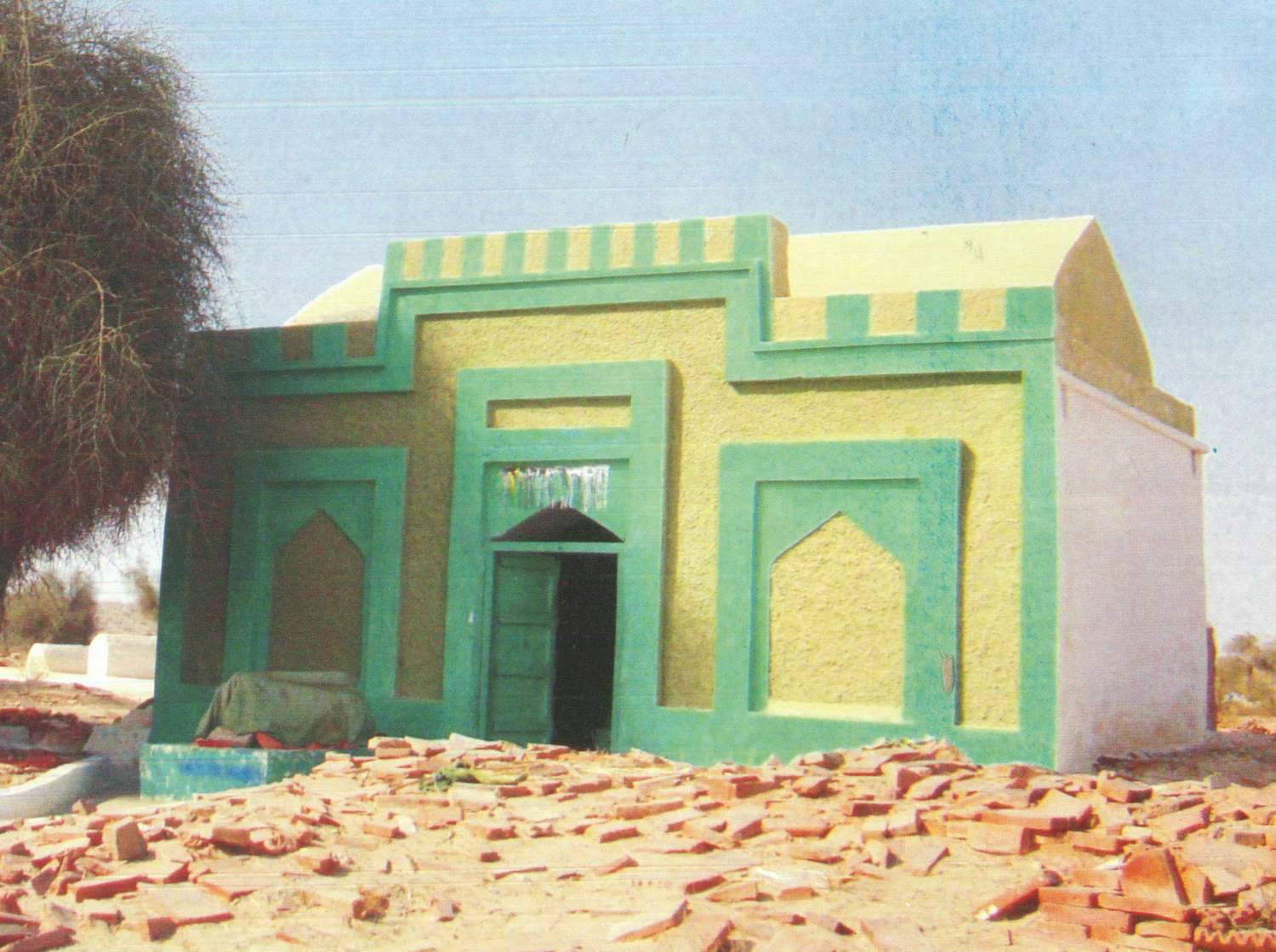
The shrine of Radhan Mashaikh, which stands in the mid of the ancient graveyard is a modern construction. Though the exact life account of the saint named Radhan Mashaikh is not known, but local people claim that he belonged to 7th Hijri who used to supply milk to his murshid at Multan. The shrine of Radhan Mashaikh houses six graves, including his teacher Mian Malhoo and three sons, named Ajeej, Arisar and Muhammad lsmaeel one more grave that houses inside it is believed to be of one Mian Mottan.
Another shrine, which is located on the nearby sand dune, is stated to be one called Deenan Faqeer Machi, who was the retainer of the Dargah of Radhan Mashaikh. This historic necropolis in many ways qualifies to be enlisted on the World Heritage List (WHL).
[Source: Khairpur Jewel & Crown of Sindh by Momin Bullo | Coordinates: EFT]
Open in Google Map: 26.713545, 68.486039
Images Gallery
Copyright © 2019 · All Rights Reserved · Endowment Fund Trust