St Joseph Convent School, Karachi
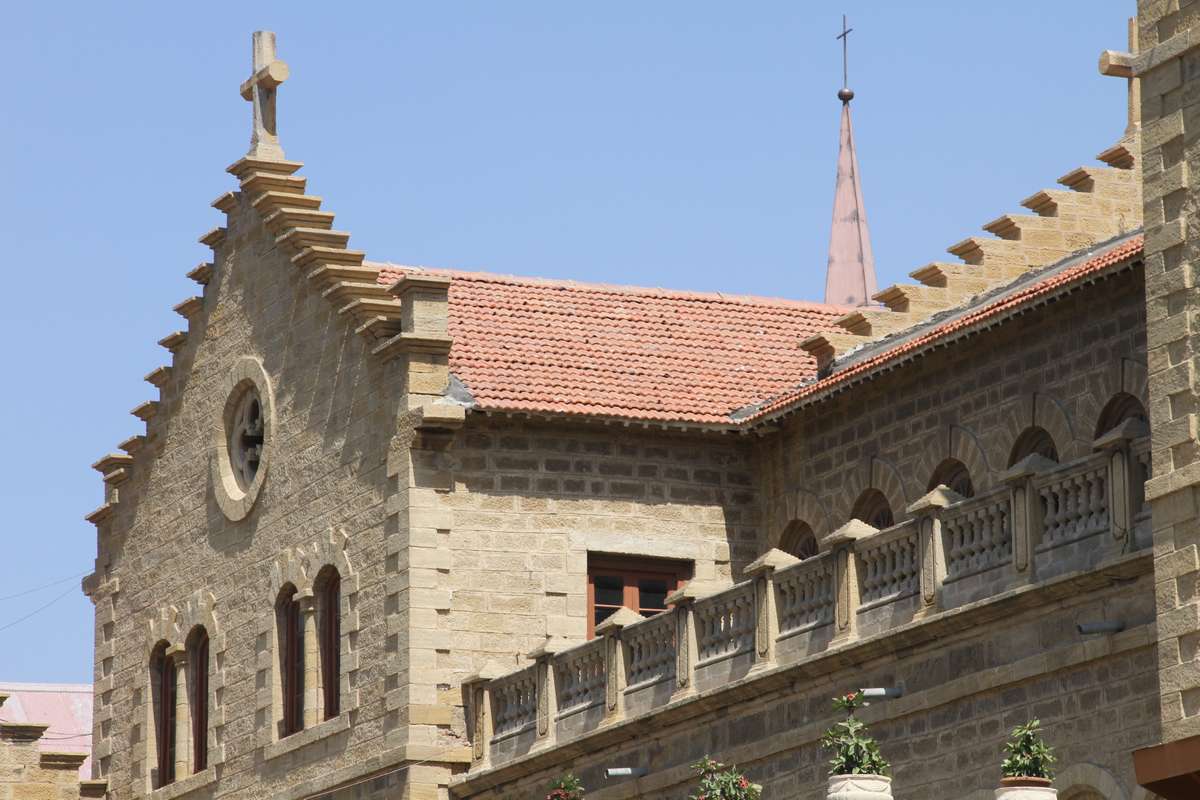
Situated in the extremely busy and eventful Saddar region next to St Patrick's Cathedral, the building with distinct European architecture makes its presence felt for all the right reasons. To boot, the calmness within its compound is infectious. Don't make the mistake of reaching the school at home time. Countless young girls will be seen stepping out of the building, scurrying across to get into their cars. Despite the hurriedness, there's an air of discipline about them.
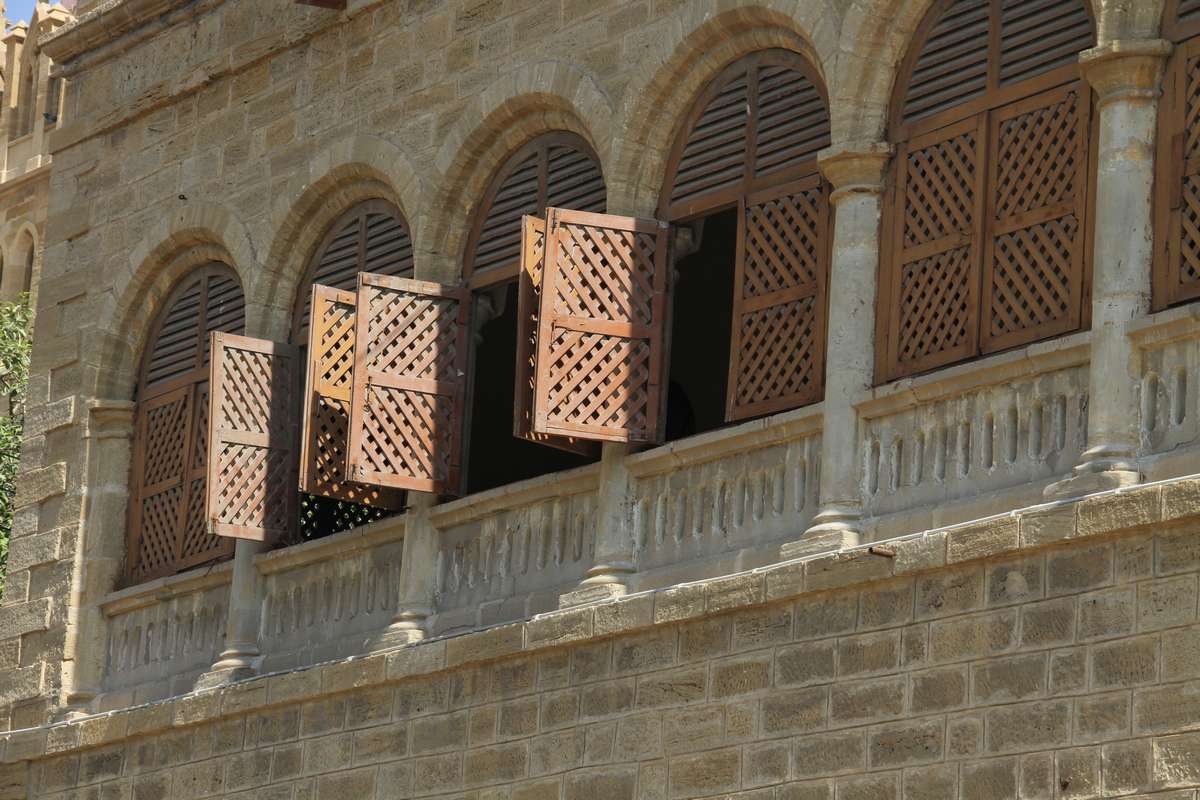
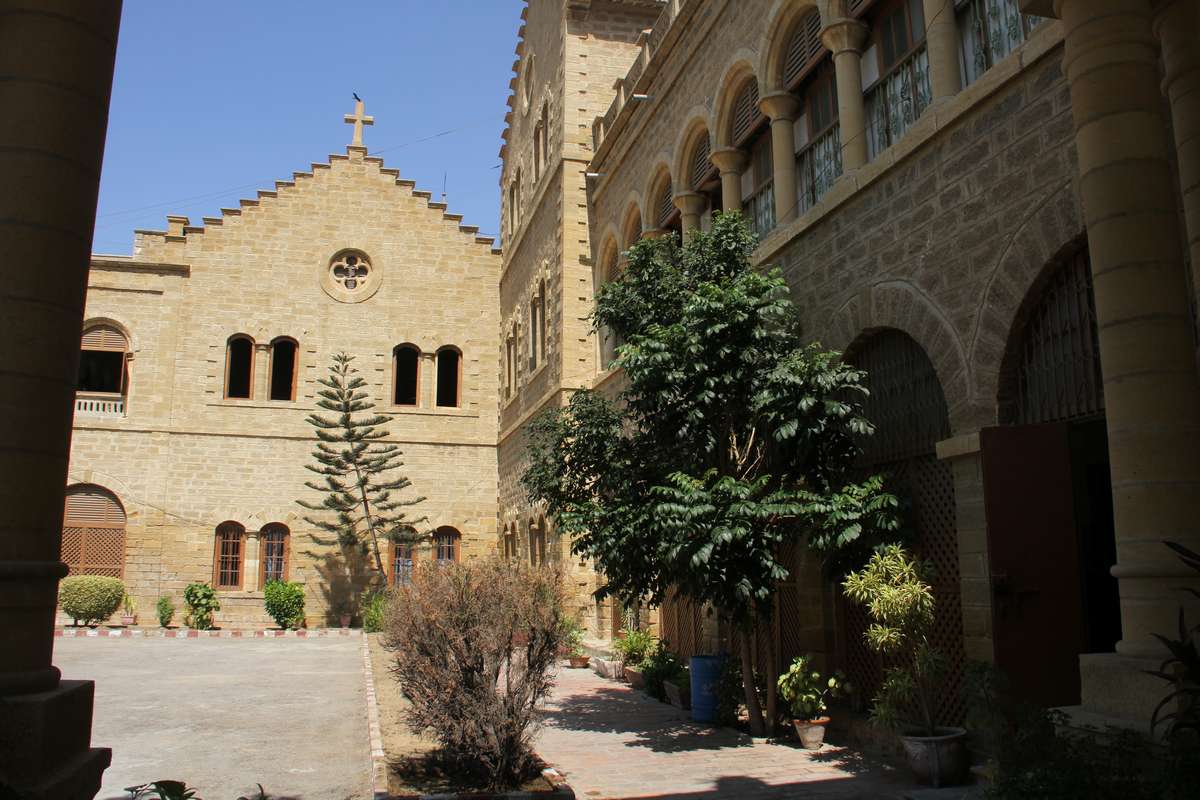
Walking into St Joseph's Convent School through a gate is an experience in itself. Right in front, you can see the magnificent left portion of the building. On top of the arched door, there is a banner on which ‘Integrated Technology' written in bold letters can be read. This is not an anachronistic but an indication of changing times to which teachers and administrators of this historical institution have adapted themselves. To the right, there is a park like space. Keep moving and get to the main entrance of the school. You would not be able to step into it straight away. The fine, portico supported by fine columns will hold your attention for a while. The arches are no ordinary architectural characteristic either. A known conservationist suggests that in 1862 this structure was the first one in the city to employ Roman arches as an integral part of the design.
When you reach the end of the building, a little behind it is a relatively spacious hall. This was the first piece of construction that took place on the premises. It has undergone many alterations. Don't worry. Move closer. Try and listen to what it is trying to communicate to you. It will gently tell you about its age and the pride that it feels to be a part of this institution. Yes, it speaks. You have to have the ear to listen to it.
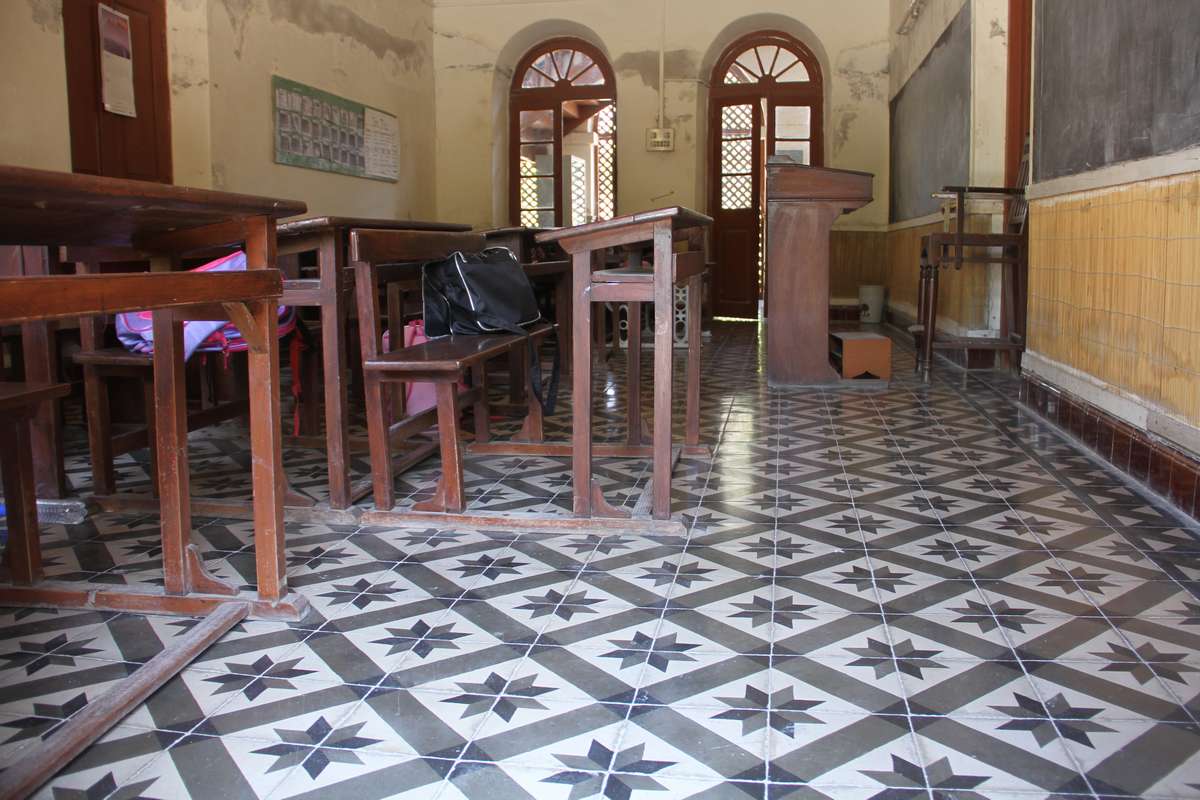
The authorities concerned here are cognizant of the historicity of St Joseph's School. The bunch of experienced and affable teachers makes sure that this particular aspect of the building, that is, its historical worth, is inculcated in students. All of them fondly recall the time when children used to march in the open space, “head high, chin up, stomach in,” when needlework was part of the course, and when lunch arrived from homes.
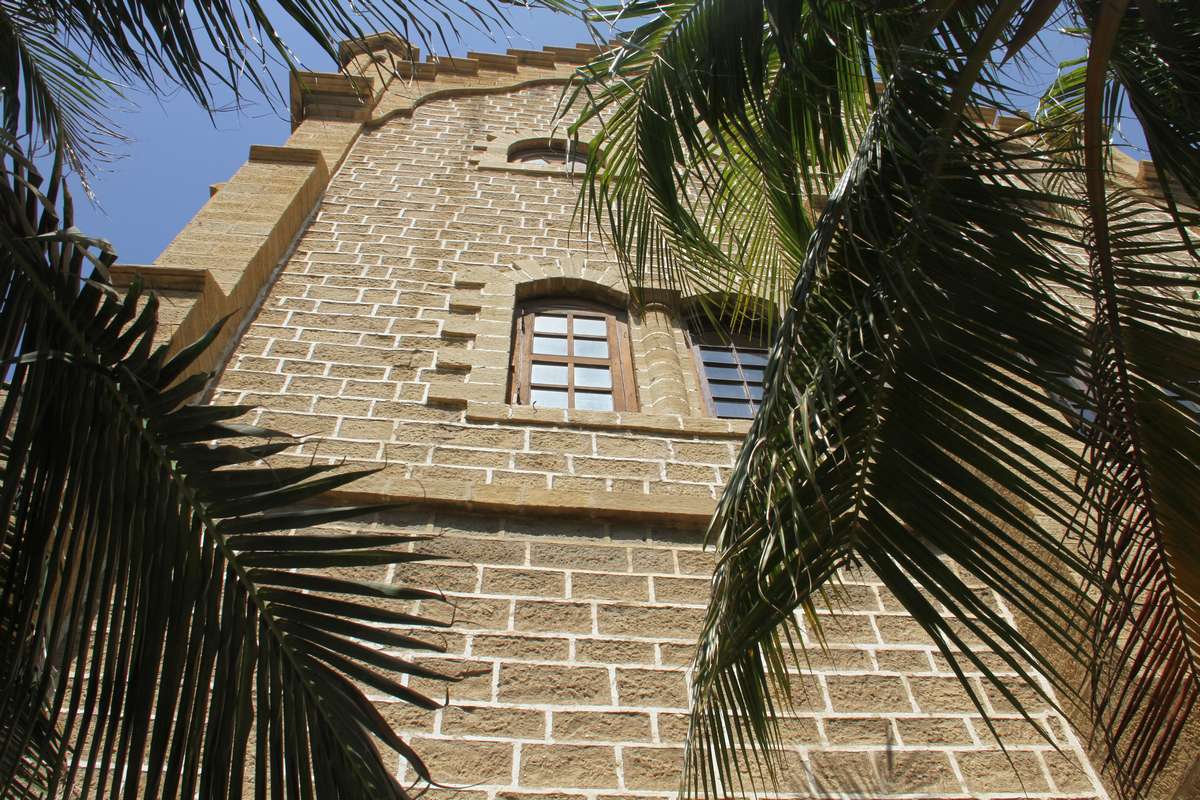
According to a research piece written by a former student of the school, after the construction of the hall, a girls' school was established in 1862. A year later, the main building was commissioned for Rs7,000, with a certain Mr Duncan being its architect. In 1868, a plan for building an upper floor for the boarders was given the go-ahead. In 1909, the portion housing the art room was erected. The additions continued till the 1960s and 1970s.
[Source: Karachi Legacies of Empires by Peerzada Salman]
Open in Google Map: 24.8611895684008,67.0352026943605
Images Gallery




Copyright © 2019 · All Rights Reserved · Endowment Fund Trust