Myun Wahyun Necropolis, Matiari
Help Us to find its location on the map and recent photographs.
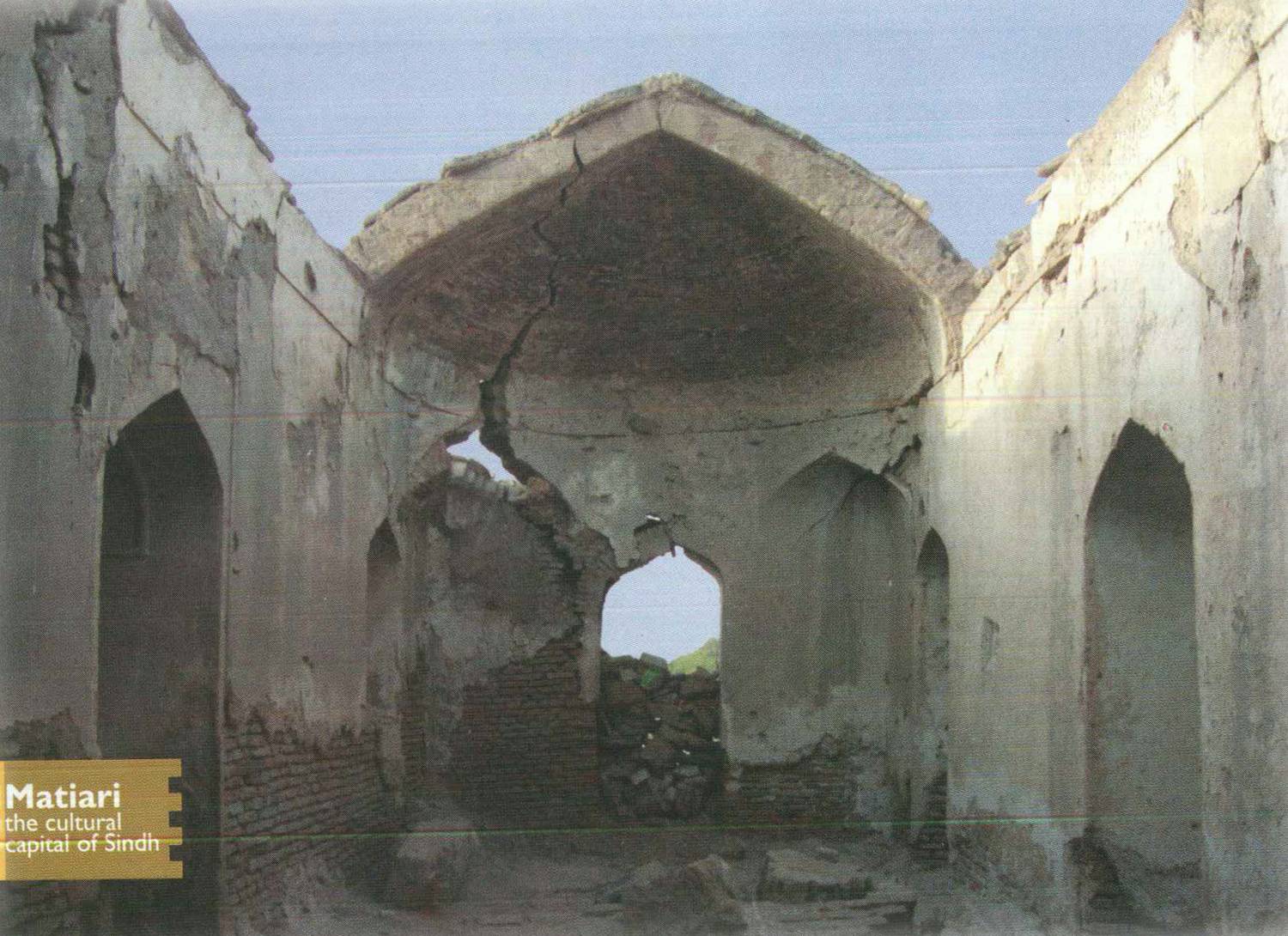
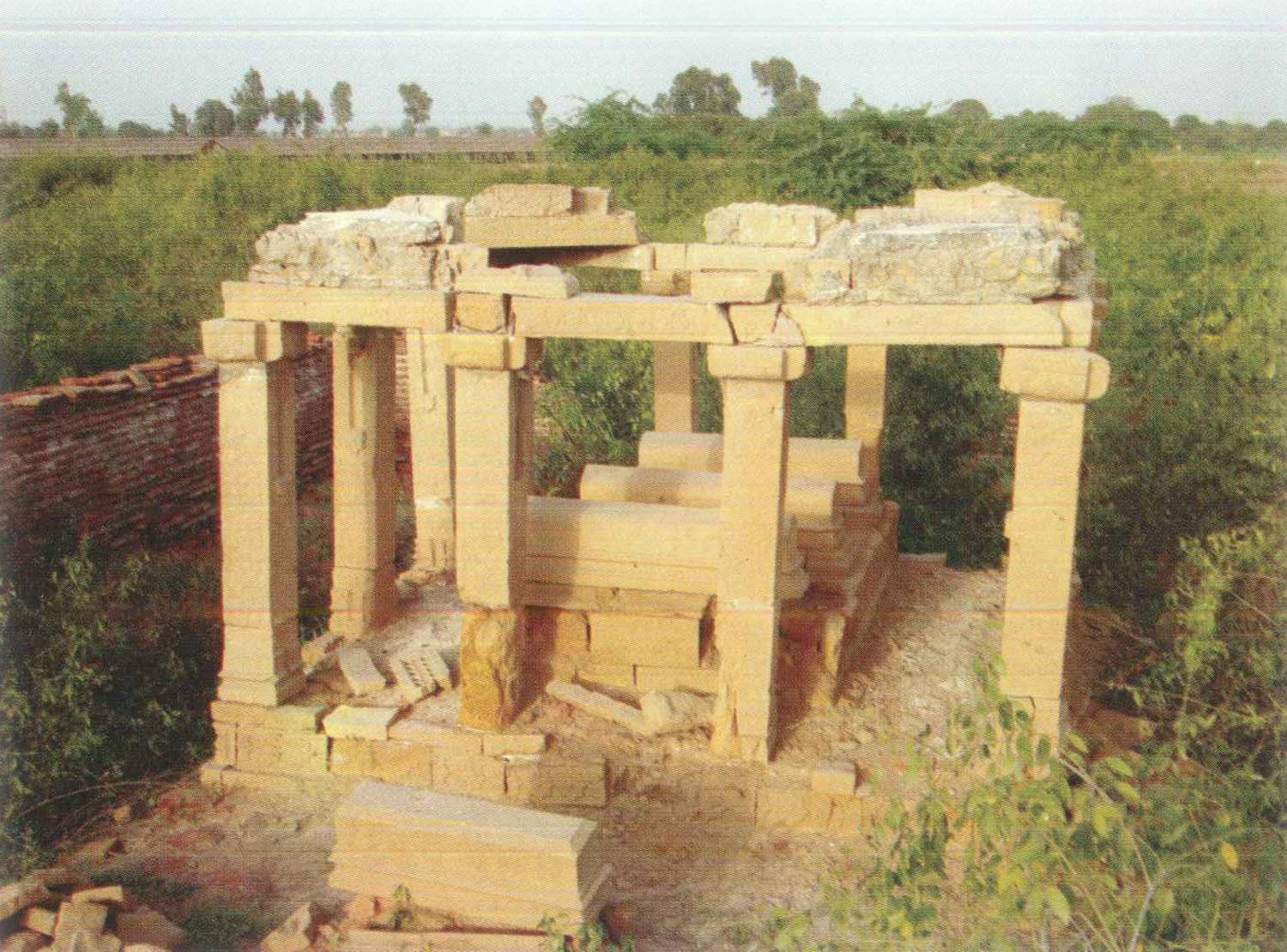
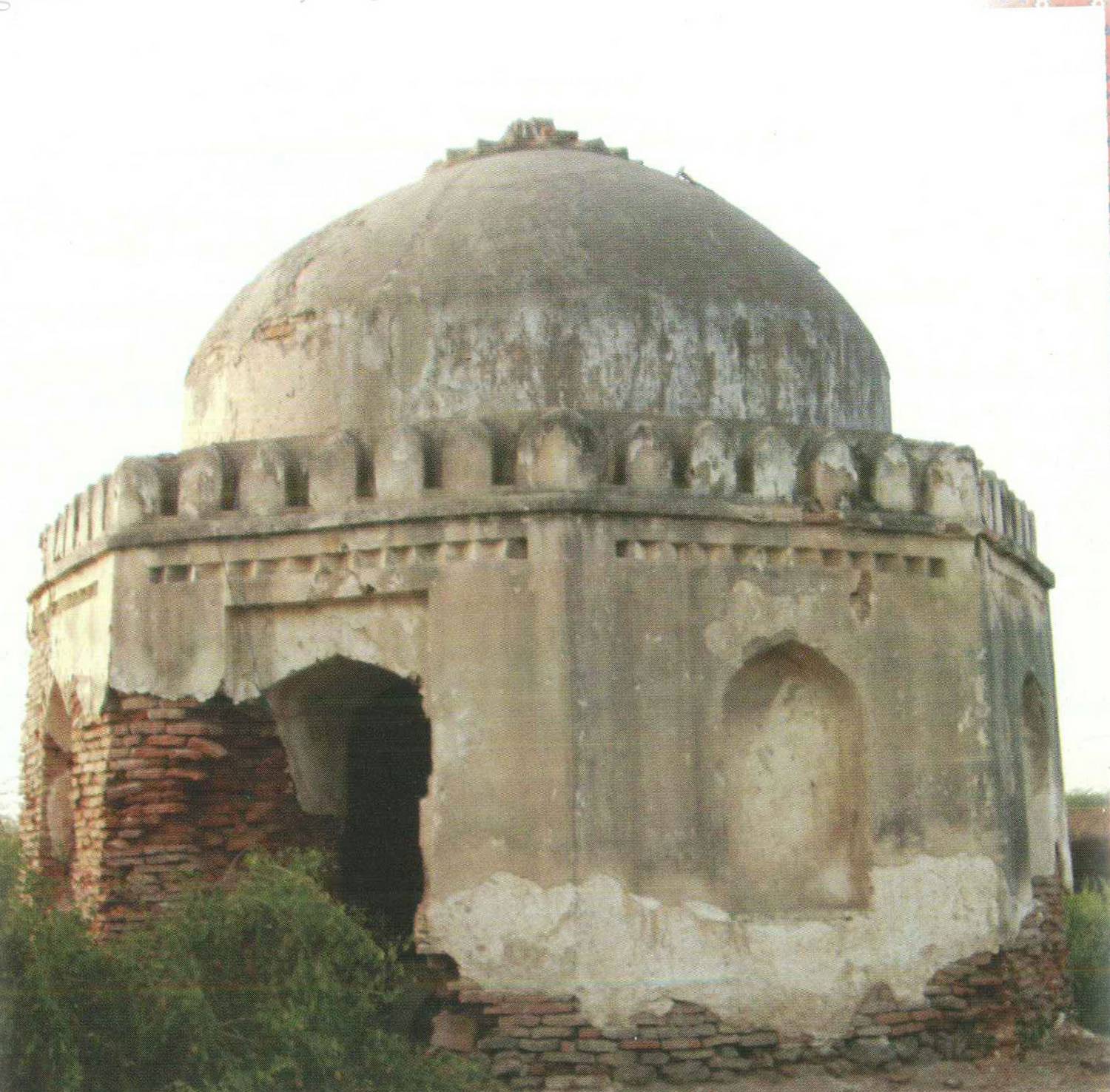
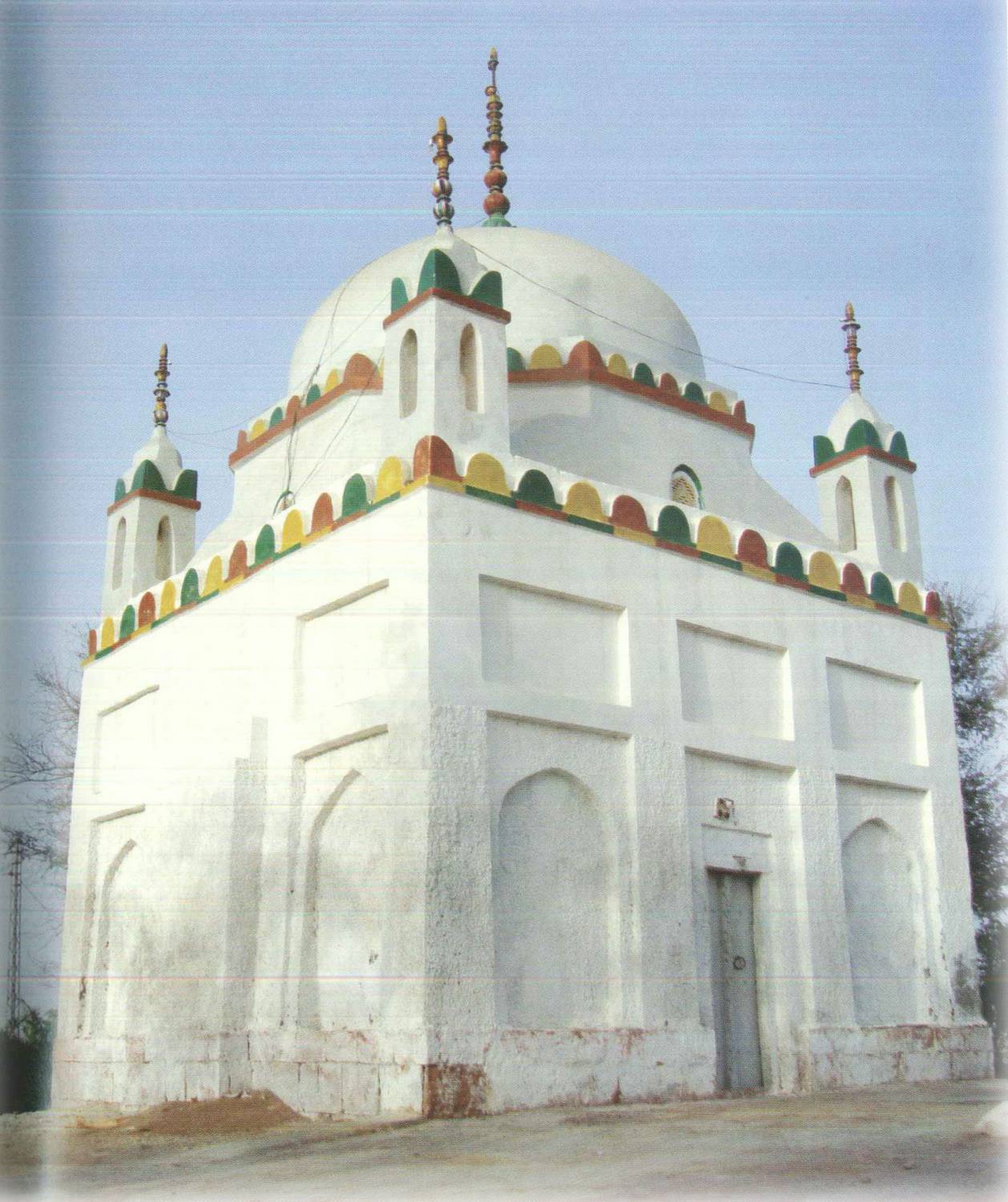
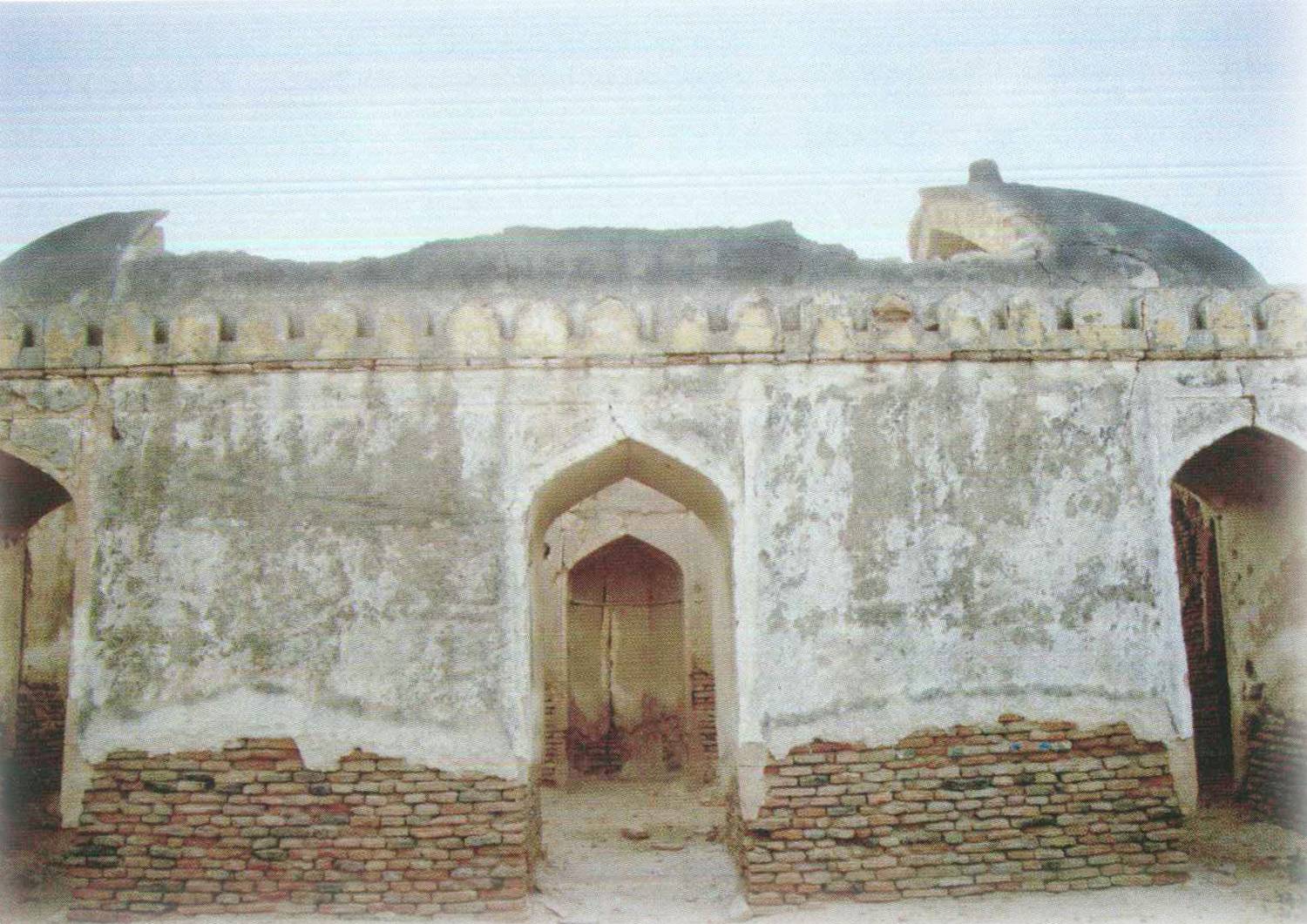
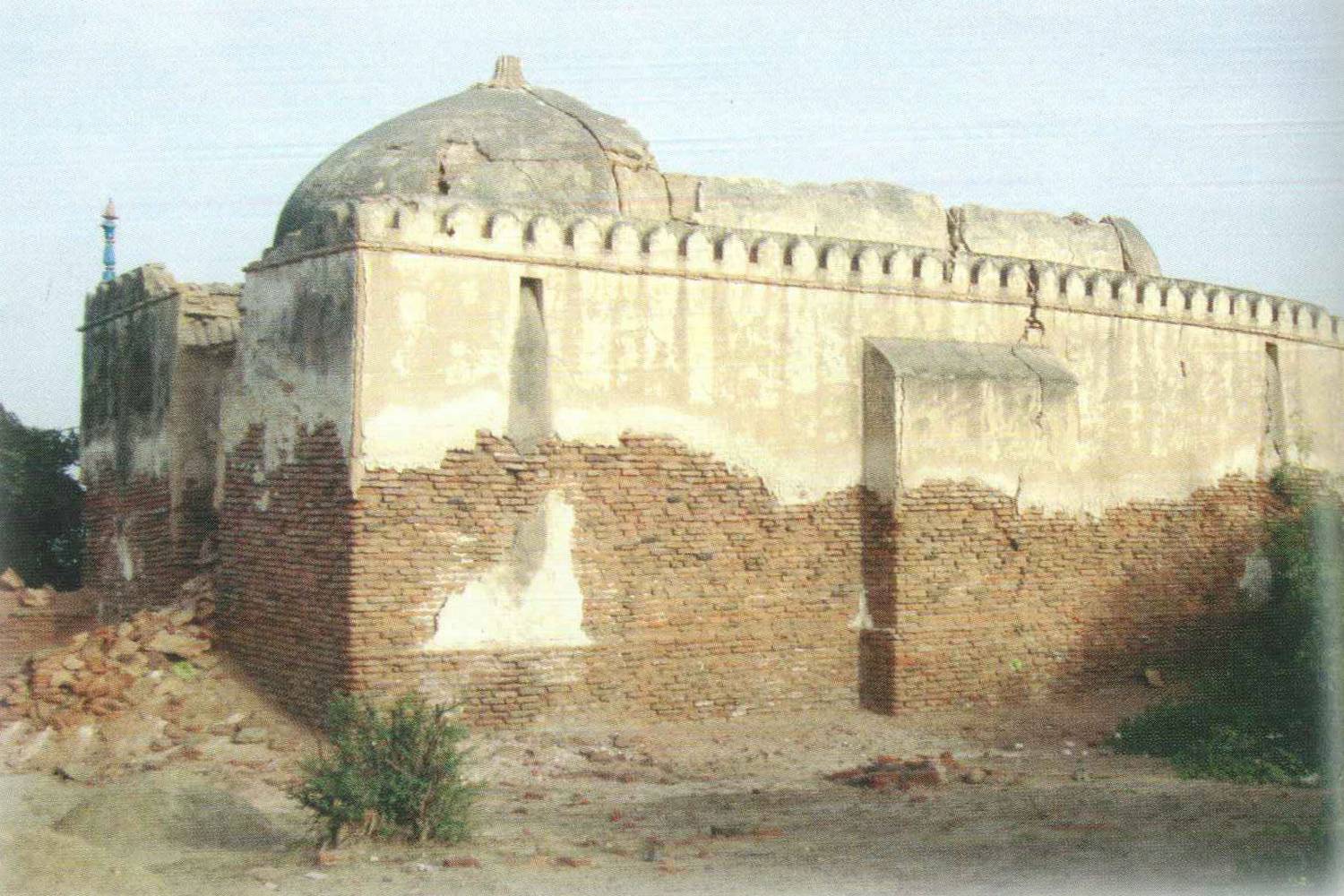
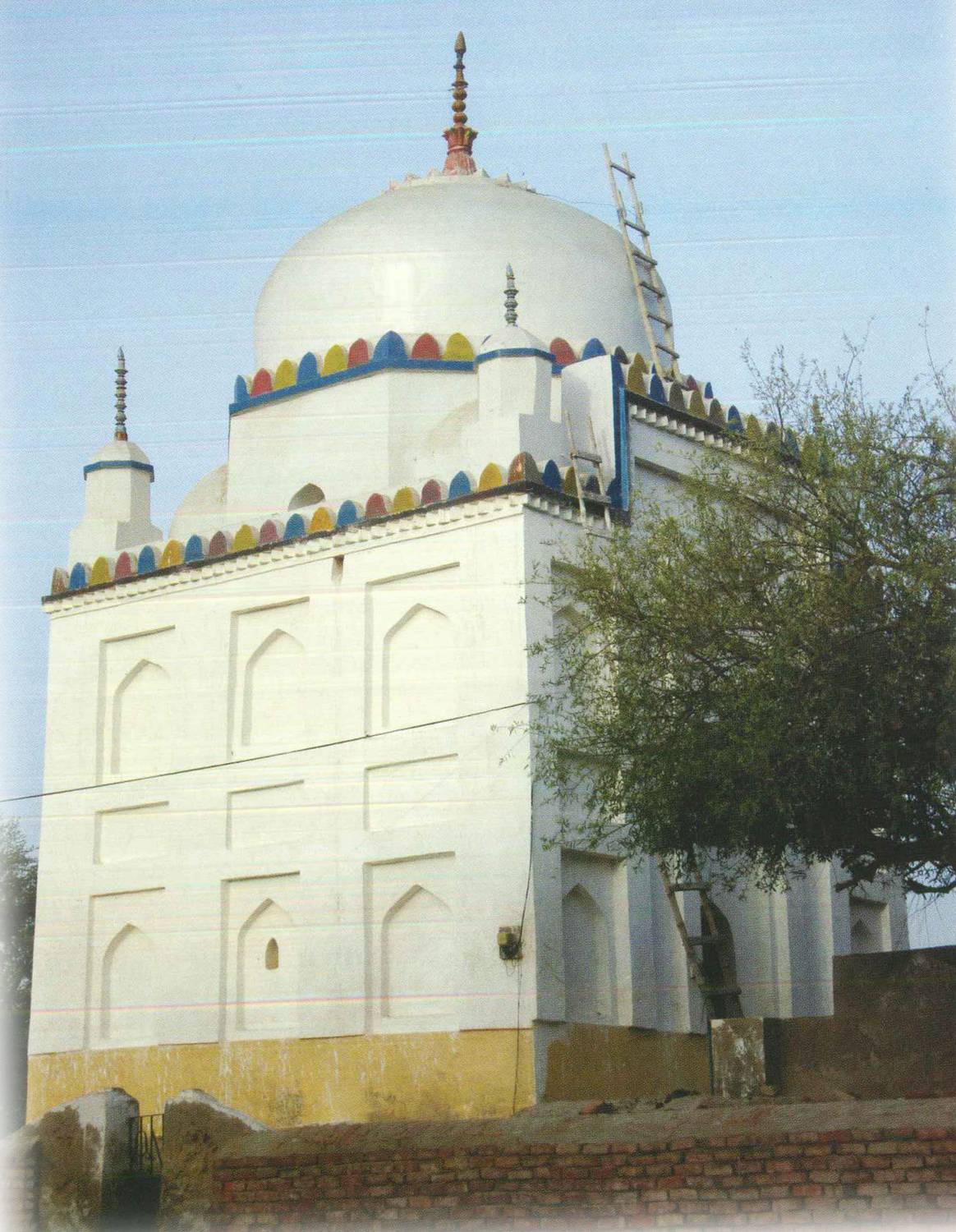
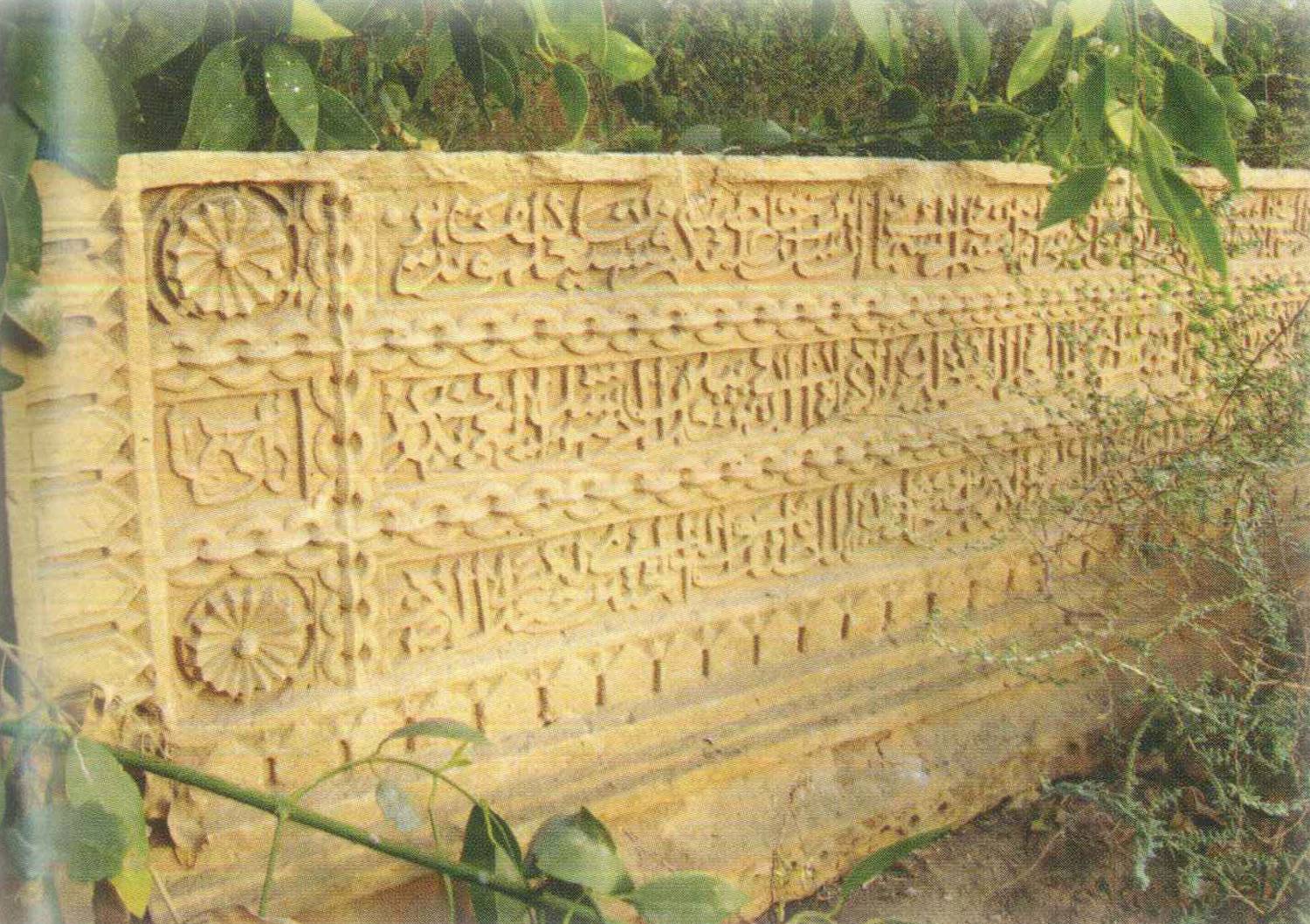
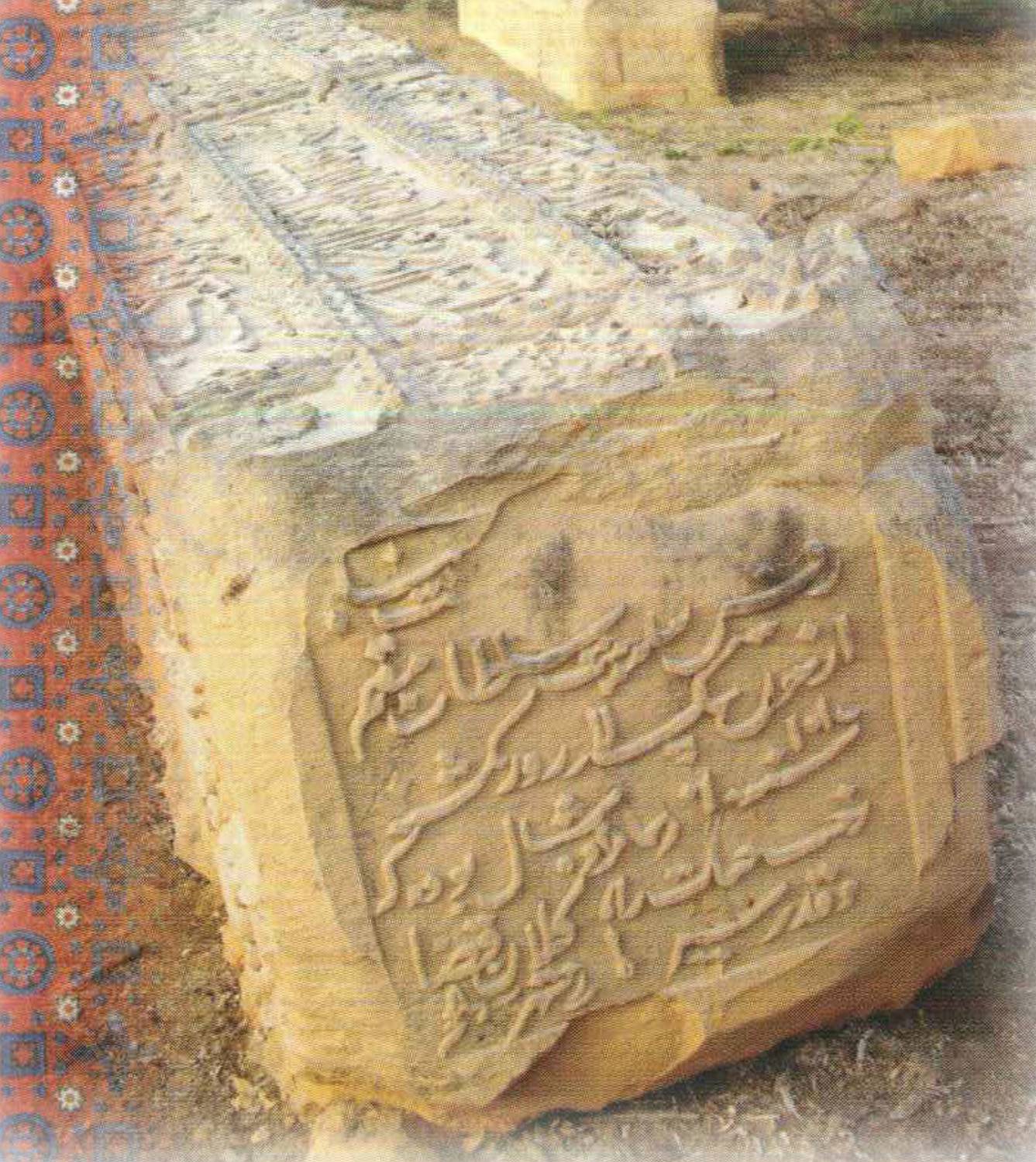
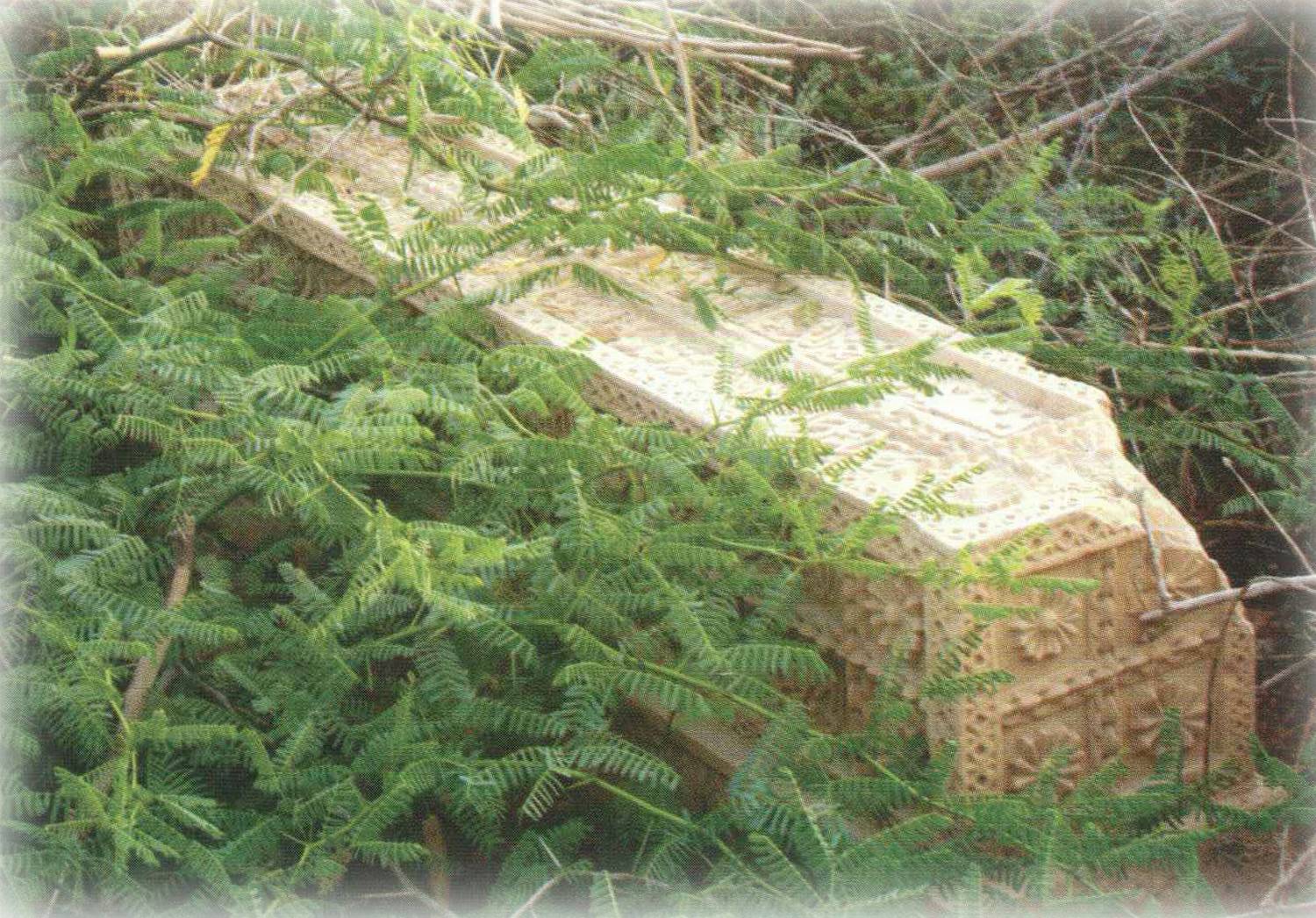
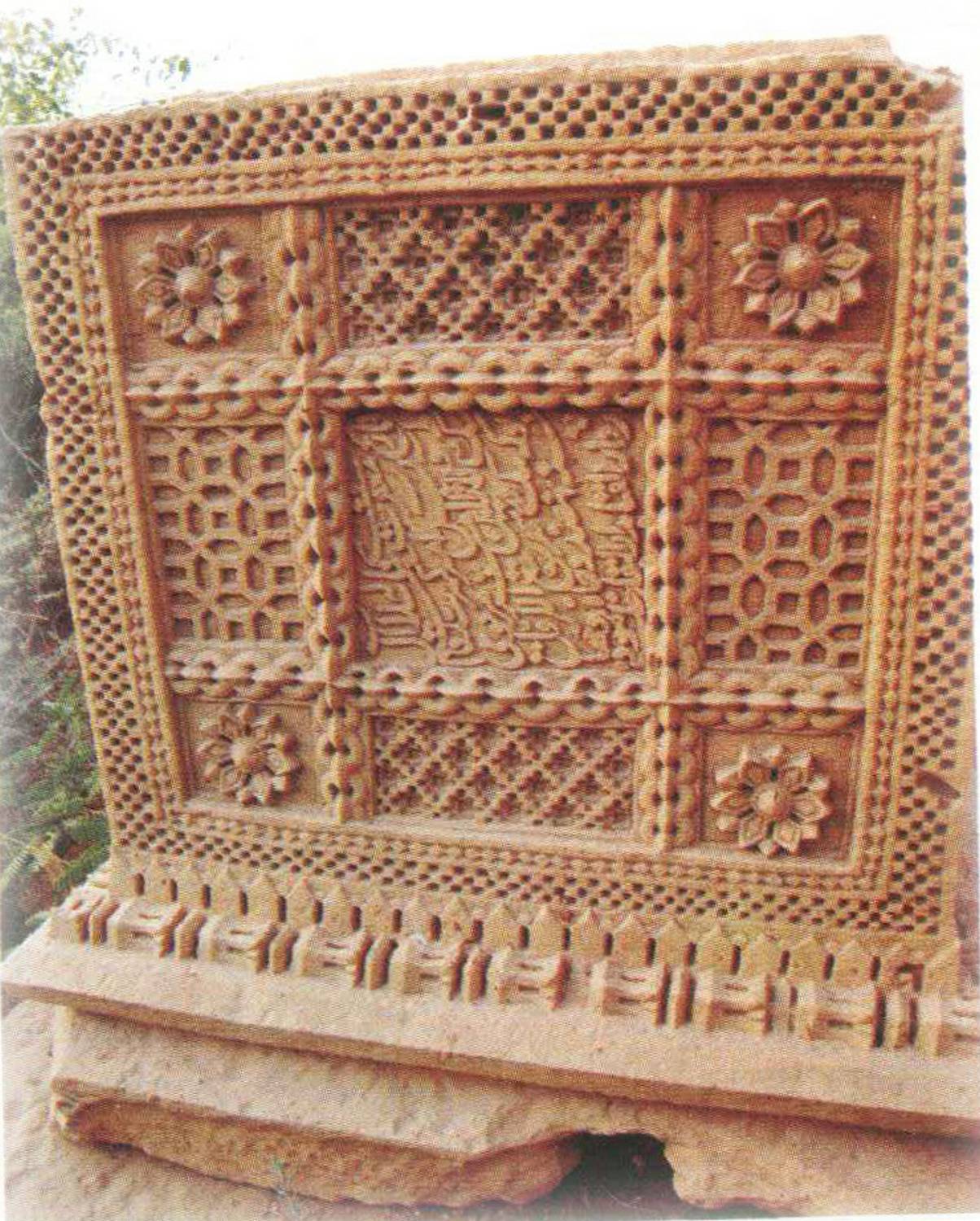
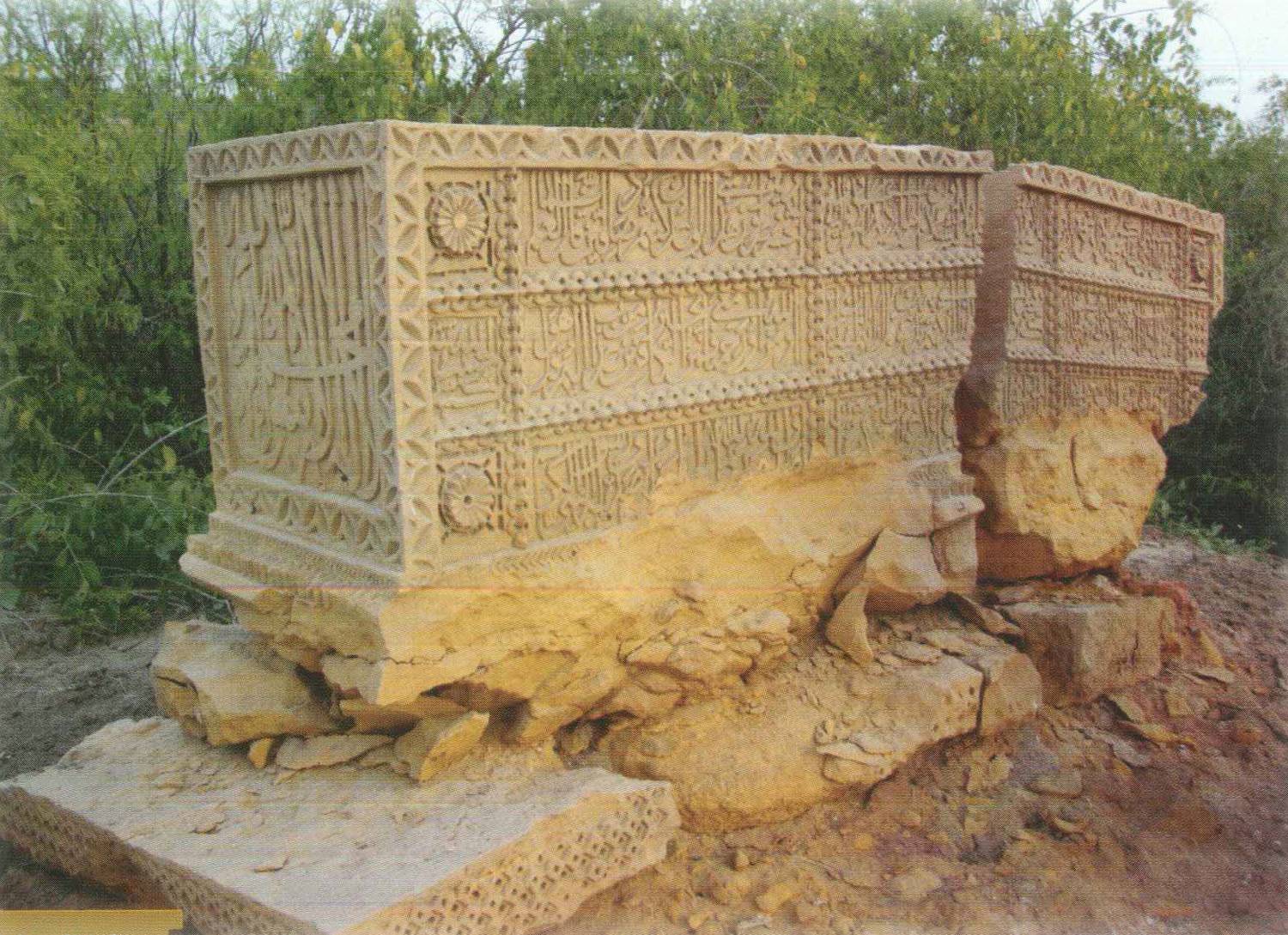
The graveyard near Usman Shah Ji Hurri (via Tando Adam Road), famous as Myun Wahyun has yet another name called as "Torki Graveyard the word Torki is presumably driven from Turks or Mughals). According to some Persian historians, this was the settlement highly saturated with Turk or Mughal races, that is how it gained the title as Torki's Graveyard. According to Pir Hissamuddin Rashdi, this settlement was once surrounded by a big fort, containing havelis and palaces of Arghun and Turkhan rulers. Yet another study says that this whole area was once famous as Torki and it was adjoining to famous historical city of Nasarpur. This was situated on the bank of Sangri Canal, which used to provide trade facilities. This ancient necropolis once had large number of beautiful tombs, graves, mosques and madressahs. Majority of those exists no more these days. The stone carved graves belonged to the ruling families of the time. The remains of the ancient mosque in the graveyard is believed to be of Myun Wahyun. This was built during theTurkhan period. Besides this mosque is the mausoleum of Myun Wahyun. Until early 80s the condition of this mosque was believed to be much better and the historians of the time recorded some inscriptions written on the walls of the mosque as: "Usman son of Ahmed Faqir, resident of Moosa Khatian, dated Shawal 6th, 1144 Hijri". The traces of a madressah affiliated with this historic mosque which was once run by Mvun Wahvun, hither to exist no more and that is why this mosque is famous after the name of Myun Wahyun.The actual date of the construction of this mosque is though not confirmed but it is claimed by some historians that it could have built before the demise of Myun Wahyun in the year 1001 Hijri.
Who was Myun Wahyun?
Myun Wahyun was a great scholar and a saint of the time. He was Chanhyo by caste. According to Tohfa-tul-Kiram Hazrat Myun Wahyun was a pious man and was the frequent visitor of the sacred meetings of last Prophet Hazrat Muhammad (S.A.W. W). He was all together the scholar of Arabic,
Persian and Sindhi languages. Dr. Nabi Bakhsh Khan Baloch, the contemporary scholar has explored a poetic verse and has associated it with Mvun Wahvun, it reads as:
"Dukhan Seen Ghaar, Nebahoo Na Sukhrra
Jehrrey Tehrrey Haal, Langhi Wenda Deenhrra"
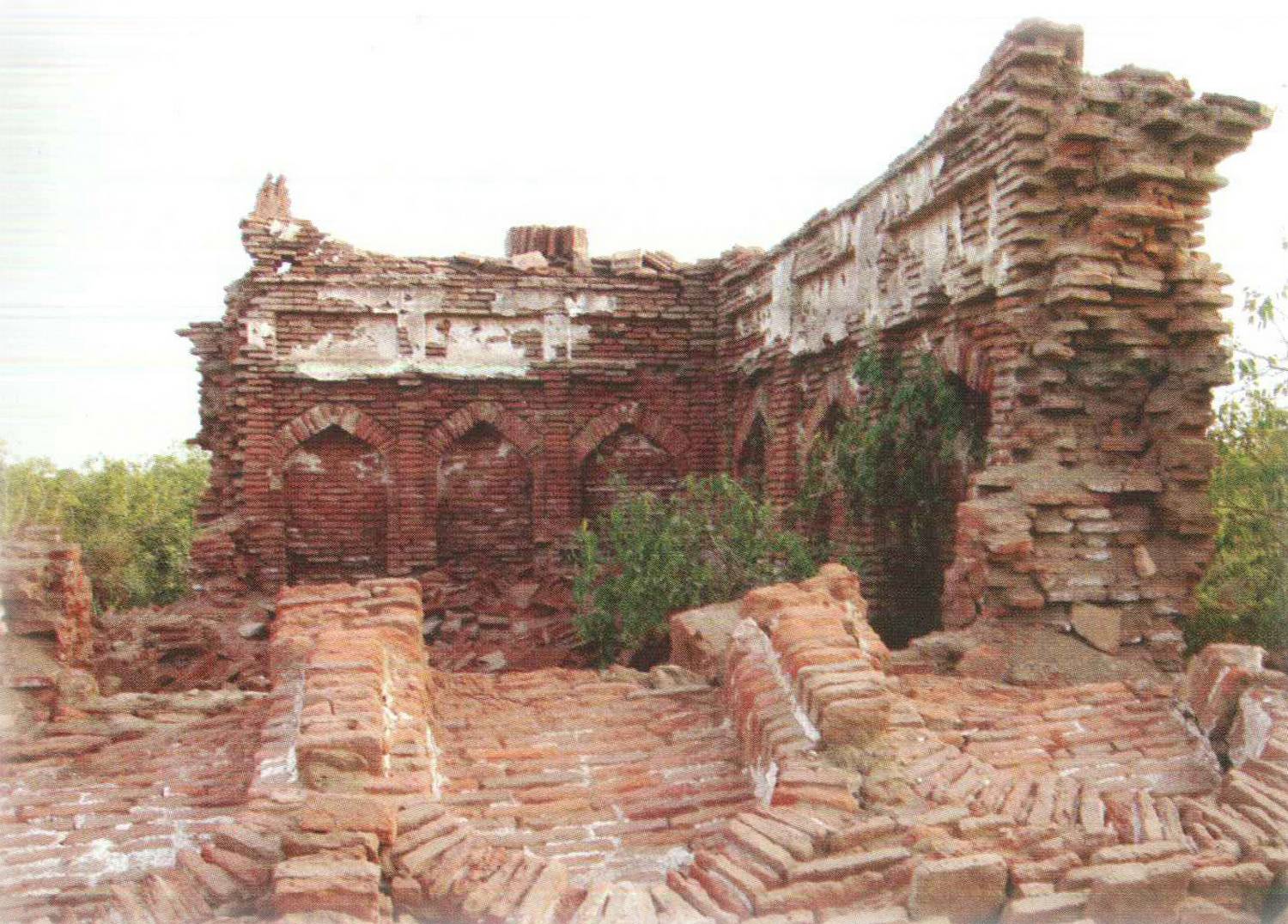
A red brick structure besides this chowkundi chamber has recently fallen.
This historic graveyard spreads over 10 to 12 acres, most of the land has been encroached upon illegally. The provincial authorities should wake up and contain further deterioration of this historical graveyard and efforts may be taken on war footing basis for the restoration of this monument.
[Source: Matiari The Cultural Capital of Sindh by Momin Bullo]
Images Gallery
Copyright © 2019 · All Rights Reserved · Endowment Fund Trust